
Lansing Mold Remediation
Persistent musty odors and damp cellar masonry indicate active fungal colonies requiring certified structural containment. Our environmental remediation specialists locate hidden moisture, erect negative air chambers, and eliminate hazardous spores before cross-contamination reaches living areas. We restore indoor air quality with commercial HEPA scrubbing and targeted antimicrobial encapsulation.
Call (517) 555-0158 to arrange an inspection.
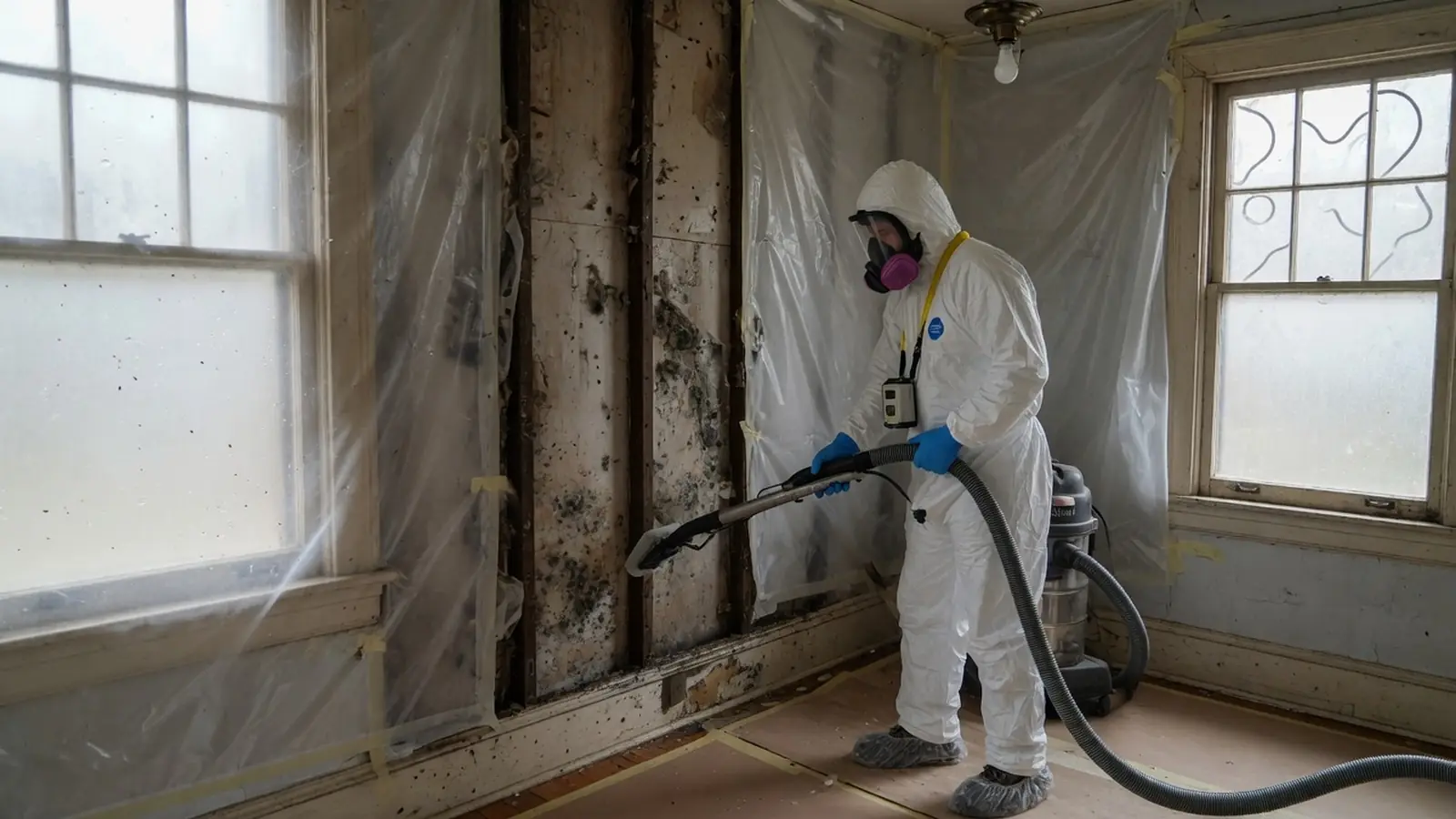
Dedicated Moisture And Fungal Specialists
Elevated summer humidity in Michigan combined with uninsulated cool basement masonry creates sustained condensation cycles that fuel hidden mold colonies behind finished basement drywall.
The median owner-occupied home locally was built in 1960 (Census ACS 5-year), meaning vintage foundations often lack contemporary exterior vapor protection.
When subterranean moisture compromises structural wall framing, relying on comprehensive water damage restoration protocols prevents localized fungal issues from affecting the entire residence.
A pattern echoed in public discussions is that homeowners dealing with sudden basement water intrusion seek urgent guidance on first responders to contact when prioritizing emergency water extraction over simple cosmetic cleanups.
Certified mold remediation requires establishing negative air pressure with HEPA filtration before tearing out colonized drywall to prevent cross-contaminating unaffected living areas.
Our technicians conduct meticulous post-cleanup containment inspections and ambient air testing to confirm your indoor environment meets strict sanitary thresholds.
How We Eliminate Subterranean Fungal Growth
A common pattern in regional homeowner discussions involves identifying root causes of recurring basement dampness, whether through exterior grading, sump systems, or interior drainage improvements. Our systematic four-step procedure addresses existing contamination while isolating moisture sources.
- Infrared Moisture Assessment. During initial site assessments, technicians pinpoint hidden moisture reservoirs often created by slow structural leaks or water damage resulting from winter frozen pipes. We document elevated ambient dampness and determine the exact perimeter of contaminated building materials.
- Containment And Air Scrubbing. Certified mold remediation requires establishing negative air pressure with HEPA filtration before tearing out colonized drywall to prevent cross-contaminating unaffected living areas. Air scrubbers run continuously to trap circulating spores.
- HEPA Sanding And Encapsulation. Structural timbers undergo precision HEPA vacuuming followed by physical sanding and antimicrobial encapsulation to neutralize deep fungal mycelium. Porous framing is sealed with fungicidal coatings to prevent mold recurrence.
- Moisture Regulation And Clearance. Combining dedicated basement dehumidification with air purification suppresses airborne mold spores by continuously regulating ambient moisture levels. Technicians run commercial desiccant units until structural timbers dry below safe moisture thresholds.
Our Iron-Clad Remediation Standard
We adhere strictly to certified environmental containment and structural decontamination standards on every project. Homeowners facing severe basement flooding events can trust that our moisture extraction and structural drying methods stop fungal growth before it takes hold. Our team utilizes commercial grade negative air pressure enclosures, antimicrobial surface treatments, and industrial desiccant dehumidifiers to eliminate moisture reservoirs completely.
Negative Pressure Isolation
Our team constructs sealed polyethylene containment barriers equipped with commercial HEPA air filtration. This negative pressure barrier isolates airborne spores from living spaces throughout demolition and material removal.
Framing Sanding And Encapsulation
Contaminated structural lumber receives targeted HEPA vacuuming, mechanical surface abrasion, and EPA registered fungicidal coating. This comprehensive process treats porous wood where standard liquid bleach cannot penetrate.
Foundation Vapor Barrier Sealing
Fastening continuous vapor barrier sheeting to interior foundation walls seals out subterranean moisture to eliminate persistent mold growth. This containment barrier isolates living areas from damp soil gases and concrete transpiration.
Dedicated Structural Remediation Standards
The community features 55,082 housing units on record in the Census ACS 5-year estimates, reflecting an established architectural heritage. Because only about 7% of housing units (3,775 of 55,082) were built since 2000, so a substantial share of the local stock is still on its original systems, specialized remediation practices are essential to protect vintage foundations and structural framing from persistent fungal colonization.
- 15Zip Codes Served
- 8Service Areas
- 3Services Offered
Homeowners rely on our certified remediation protocols to eliminate hazardous moisture and fungal colonies safely. Here is what local property owners share about their containment, cleanup, and air clearance experiences with the crew.
“My asthmatic mother lives with us downstairs, so airborne dust during mold removal was my primary worry. The crew sealed off her living quarters with heavy plastic barriers and negative air scrubbers so she never experienced any breathing irritation. They even coordinated noisy cleanup phases around her daily afternoon rest schedule.”
Marcus T.
“Another contractor offered to simply spray over our stained basement studs with bleach and paint, which sounded like an incomplete fix. This company explained why structural framing needed HEPA sanding and antimicrobial encapsulation instead of a cosmetic cover-up. Choosing their thorough remediation process saved us from repeating expensive repairs down the road.”
Elena V.
“Navigating local code requirements for structural drywall teardown and disposal felt daunting before we called them. The crew managed the containment permits, handled material testing documentation, and passed municipal environmental clearance on the very first inspection. Having everything signed off cleanly made our subsequent home refinance effortless.”
Julian K.
“When our cellar sump failed late on a rainy Sunday evening, damp wall cavities started smelling awful within hours. The team dispatched an assessor before midnight who set up industrial air movers and containment chambers right away. Their immediate late-night intervention stopped black spore growth before it could penetrate our main floor living room.”
Deanna R.
Frequently Asked Questions
Does an older basement with musty odors require professional mold testing before home purchase?
Professional mold testing is recommended when musty odors or visible dampness persist to determine baseline spore levels before buying a home. A prospective buyer noticing musty odors and dampness in an older cellar should request air sampling to verify whether elevated indoor mold spore counts warrant professional remediation before finalizing purchase contingencies.
Can surface mold on structural wood framing be remediated with household bleach, or does porous lumber require HEPA sanding and antimicrobial encapsulation?
Porous lumber requires HEPA sanding and antimicrobial encapsulation because household bleach fails to eliminate deep fungal roots inside wood. Bleach only treats visible discoloration on non-porous surfaces and introduces added water that can promote further fungal germination deep inside framing joists.
How do technicians prevent mold spores from spreading into living spaces during drywall removal?
Technicians establish negative air pressure containment chambers with HEPA filtration before removing colonized materials to isolate spores. Continuous air scrubbing exhausts filtered air outside while sealing doorways and ventilation ducts with airtight poly sheeting throughout demolition.
How does indoor humidity control suppress recurring mold growth after cleanup?
Dedicated basement dehumidification combined with continuous air purification keeps relative humidity below fifty percent to stop spores. Regulating ambient moisture eliminates the condensation cycles that typically fuel hidden fungal colonies along foundation masonry and finished walls.
How long does a standard residential mold remediation project take to complete?
Most structural containment, selective demolition, timber encapsulation, and air scrubbing cycles take between two and four days to complete. Final timelines depend on the square footage of affected drywall and the duration required for post-remediation air clearance verification.