
Lansing Basement Flooding
When heavy rain or seasonal runoff inundates your lower level, our rapid extraction technicians mobilize immediately to pump standing water and sanitize damaged concrete. We isolate structural moisture, salvage salvageable framing, and return your property to safe conditions. Count on our certified crew to restore structural integrity with proven moisture mitigation methods.
Once officials let you back in, phone (517) 555-0158.
Regional Drainage And Water Damage Solutions
Mid-Michigan homes with older masonry foundations face unique hydrogeologic challenges when seasonal downpours saturate local soils.
Local property owners often describe managing severe hydrostatic ground pressure pushing through porous cinder block and stone foundation walls after widespread downpours.
Our technicians deliver comprehensive regional water damage restoration services to stabilize threatened properties after severe storms.
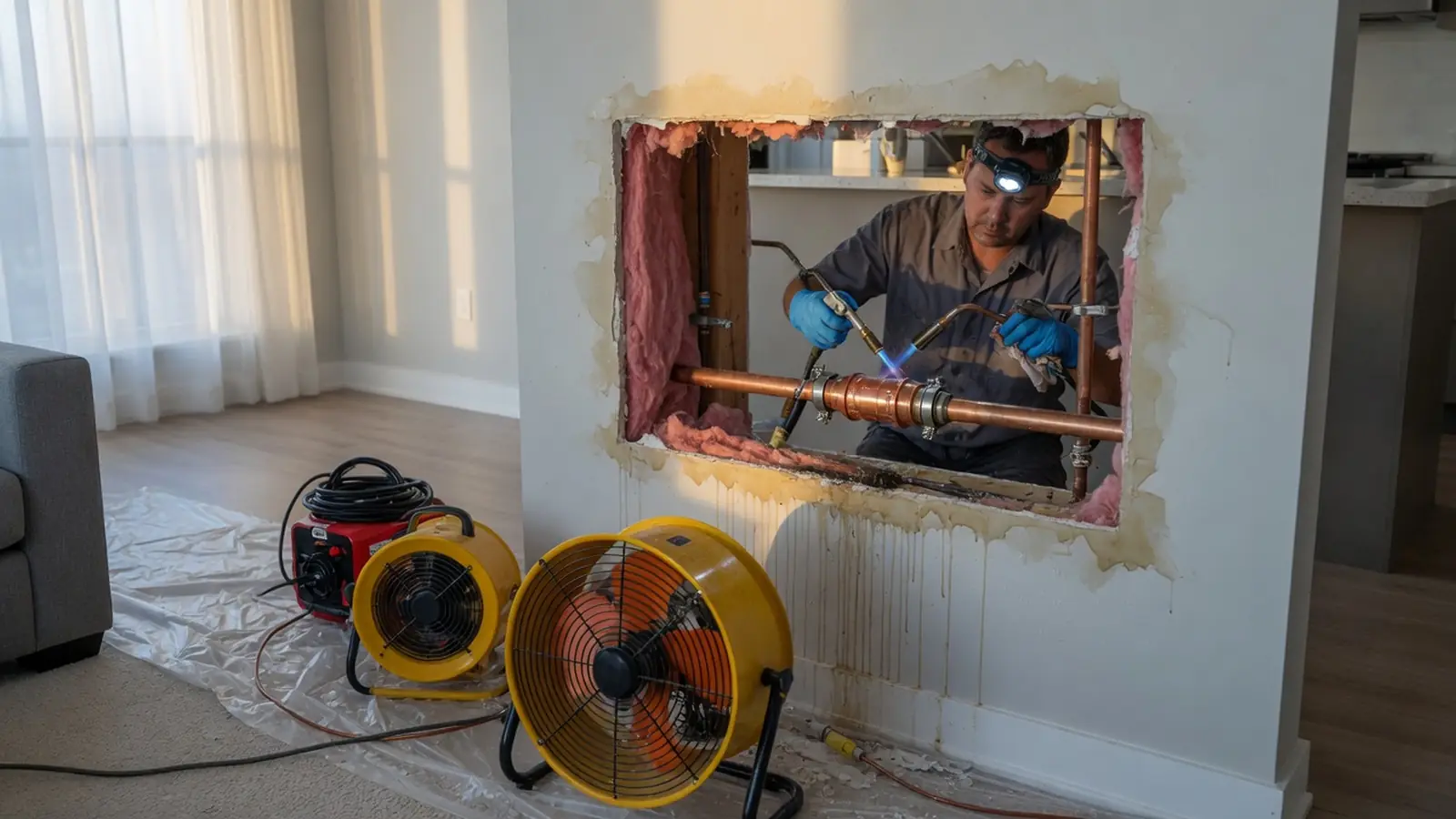
We combine heavy-duty extraction pumps with industrial dehumidification equipment to eliminate hidden moisture within framing cavities.
Every project concludes with rigorous thermal imaging and antimicrobial sanitization to confirm subgrade spaces are thoroughly dried.
Our team works directly alongside property owners to identify structural vulnerabilities and provide practical, transparent solutions.
Our Step-by-Step Recovery Method
We systematically extract standing pools, remove contaminated porous materials, and deploy targeted structural mold remediation protocols to ensure clean indoor environments.
- Emergency Assessment And Containment. Our thermal evaluation identifies hidden infiltration paths, while also resolving winter pipe bursts and plumbing line freezes before high-volume pumping begins.
- Water Extraction And Exterior Grading. Regrading dense exterior clay soil away from the structure stops standing surface water from exerting hydrostatic pressure against basement walls. Correcting the exterior slope ensures torrential precipitation flows naturally toward regional swales rather than pooling against porous foundation perimeters.
- Perimeter Drainage And Backup Pumping. Pairing a perimeter drain tile with a multi-pump backup system prevents severe basement flooding when groundwater levels surge. Subsurface channels collect rising water tables and feed dedicated mechanical basins equipped with battery-powered secondary units.
- Structural Drying And Sanitization. Technicians deploy commercial LGR dehumidifiers and high-velocity air movers to extract embedded moisture from wood joists and concrete floor slabs. Antimicrobial treatments eliminate biological contaminants to leave the lower level fully sanitized and dry.
Dedicated Subgrade Protection
We believe every homeowner deserves absolute clarity when dealing with lower-level water intrusion. A pattern echoed in public discussions is whether baseline mold spore levels and persistent dampness in older foundations warrant immediate professional intervention. Our crew performs detailed thermal mapping, installs proven moisture barriers, and executes thorough drying protocols without unnecessary upselling.
Foundation Barrier Application
Applying a 121-mil polyurethane barrier over exterior foundation walls blocks water infiltration from settling cracks and provides mold resistance. This seamless protective membrane seals porous masonry against subterranean seepage while preventing biological colonization along subgrade assemblies.
Runoff Routing And Gutter Extensions
Installing dedicated gutter extensions routes heavy roof runoff away from backfilled foundation soil to prevent recurring basement flooding. Channeling downspout discharge well past perimeter excavations eliminates localized pooling that strains foundation drain lines.
Interior Vapor Barrier Sealing
Fastening continuous vapor barrier sheeting to interior foundation walls seals out subterranean moisture to eliminate persistent mold growth. This durable interior shield directs condensation toward collection drains while keeping indoor air dry and comfortable.
Our Commitment To Restoring Sound Basements
We bring experienced moisture mitigation techniques and systematic drying protocols to every residential restoration project. Our technicians focus on thorough structural stabilization and honest diagnostic evaluations across the region.
- 16Zip Codes Served
- 6Service Areas
- 3Services Offered
Our neighbors trust our dedicated technicians to restore safe, dry lower levels after severe water intrusions. Read real feedback from homeowners regarding our craftsmanship, clear communication, and dependable moisture recovery.
“Every evening before packing up, the crew swept the floor clean and neatly arranged all the drying fans so we still had access to our storage space. They hauled away all the ruined carpet padding immediately without leaving any debris in the yard. It made living through a messy basement flood much more manageable.”
Marcus T.
“I received detailed photo updates and moisture level readings on my phone twice each day without having to ask. The team kept me informed about drying benchmarks from start to finish. Knowing exactly what was happening gave me complete peace of mind while I was stuck at work.”
Elena R.
“Instead of pushing an expensive total perimeter replacement, the crew carefully walked me through wall barrier options and explained which sealant offered true durability. Their practical guidance saved us hundreds of dollars while giving our older cinder blocks lasting protection. Their honest advice proved they cared about solving the underlying issue properly.”
Devin K.
“When a sudden torrential storm hit mid-week and overwhelmed local storm sewers, this company quickly adapted their pumping setup to protect our low-clearance cellar. They stayed late into the evening and brought in extra air movers to keep our drying schedule right on track. Their dedication kept a tight site constraint from turning into an extended disaster.”
Hannah S.
Frequently Asked Questions
Why is my primary sump pump running continuously during heavy storms even though water continues to rise across the unfinished basement slab?
A continuous pump during heavy storms indicates incoming runoff exceeds basin capacity or subsurface discharge lines are obstructed. When torrential volume overwhelms a single mechanical pit, water bypasses drainage channels and pools across the slab.
How quickly does professional extraction need to start after basement water intrusion occurs?
Water extraction and structural drying should start within twenty-four to forty-eight hours to halt microbial proliferation and wood framing decay. Rapid response stops structural framing from swelling and prevents mold spores from colonizing porous drywall.
What causes older regional foundation walls to leak during heavy seasonal rain?
Persistent ground pressure forces moisture through porous cinder blocks and mortar cracks when surrounding dense exterior clay becomes saturated. Without adequate exterior waterproofing or proper drainage channels, hydrostatic forces push seepage inward.
Does homeowners insurance typically cover flood water pumping and restoration expenses?
Standard property insurance policies generally cover sudden internal pipe breaks but exclude surface water flooding unless backed by an endorsement. We assist homeowners with comprehensive moisture mapping and documentation for policy adjusters.
How does exterior regrading help protect finished basement spaces from recurrent water?
Directing exterior surface slope away from the perimeter foundation diverts heavy runoff and relieves severe hydrostatic loads on structural walls. Proper slope creates a positive drop that channels rainfall toward surface swales.